Parisians are migrating in the face of skyrocketing real estate prices

Faced with unprecedented soaring property prices, Paris is undergoing a profound demographic transformation. In just fifteen years, the French capital has lost more than 8% of its inhabitants—a decline marked by a dramatic increase in housing costs. This surge in prices is exacerbating a mass exodus of Parisians seeking a more affordable and peaceful living environment. With the average price per square meter now approaching €9,500, the profitability of remaining in the capital is eroding for many families and young professionals. This situation is intensifying tensions surrounding urban management and social balance, highlighting crucial issues, notably the proliferation of second homes and tourist rentals like Airbnb, which are reducing the available housing supply.
This urban transformation has both economic and social repercussions. Major real estate networks, from Century 21 to Laforêt and Orpi, are observing a significant shift in demand, with smaller properties located in the suburbs becoming the new target. Meanwhile, some formerly working-class neighborhoods are gradually emptying out, while real estate pressure is shifting towards the outer suburbs and certain regional hubs whose markets are booming, sometimes to the detriment of local residents. The departure of Parisians fuels a virtuous cycle for these emerging areas, but raises questions about the future of housing in the capital itself, where Foncia, Nestenn, and Guy Hoquet are trying to adapt their services to this new reality.
Meanwhile, local authorities are putting forward numerous proposals to curb this surge, such as Anne Hidalgo’s plea last June for stricter rent control. The goal: to curb speculation and allow residents, particularly first-time buyers, to regain more equitable access to housing. This challenge is all the more pressing given that Paris maintains a record density, nearing 20,000 inhabitants per square kilometer, despite the population decline. This dynamic illustrates a fascinating paradox: the capital remains a magnet for young people but simultaneously loses more established residents. This phenomenon inevitably prompts a rethinking of real estate policies and a better understanding of how, through housing, mobility, and quality of life, Parisians are reshaping the city.
The major causes of rising real estate prices in Paris
The soaring real estate prices in Paris cannot be explained simply by an increase in demand. Several structural and cyclical factors combine to make the capital unaffordable for a large portion of its population. Land scarcity and international appealParis remains one of the most densely populated cities in Europe, with nearly
20,000 inhabitants per km² This exceptional density is accompanied by limited building land. The scarcity of available land is causing an inexorable rise in prices, affecting both transactions of existing properties and new developments.
- Furthermore, Paris’s international appeal is a powerful driving force. The capital attracts a constant influx of foreign investors, drawn by its economic, cultural, and educational influence. This phenomenon is amplified by the presence of second homes and short-term rentals like Airbnb, which remove a significant portion of properties from the traditional residential market. Today, according to estimates,
- one in five homes in Paris is not a primary residence,
which drastically reduces the supply for those with a more traditional lifestyle.
📈 54% increase in price per square meter since 2009
| 🌍 Strong tourist and economic appeal | 🏢 Proliferation of second homes and Airbnb rentals |
|---|---|
| 🚫 Increased land scarcity in a limited area | The influence of urban policies and regulatory constraints |
| Legislation governing construction and renovation has a direct impact on the real estate supply. While preserving historical heritage is essential to Parisian identity, the constraints imposed make new projects more complex and expensive. | |
| Furthermore, controlled densification often encounters local resistance, complicating the construction of social or affordable housing. Added to this is a tax system sometimes considered discouraging for individuals wishing to remain or invest in Paris, encouraging some to look to the outer suburbs or other cities where conditions are more favorable. | |
| Key Factor 🏗️ | Impact on Prices 💰 |
Land scarcity and high density Constant rising costs and market pressure Heritage preservation policies Limits on new construction and rising costs Taxation and charges
Hinders to sustainable residential investment
Tourist appeal and Airbnb
Reduction in the supply of primary residences
Many players such as Square Habitator
Belles Demeures
- These effects are felt daily with increased demand for atypical, often very expensive properties, leaving behind a population often ill-equipped to navigate the market.
- The demographic and social consequences of the Parisian exodus
The gradual departure of a portion of Paris’s inhabitants is profoundly transforming the city’s profile and landscape. This dynamic, which began several decades ago, has accelerated since the start of the century, driven by the combined effect of rising prices and difficulties in accessing housing.
| A historic decline with specific profiles | Between 2009 and 2025, the capital lost more than |
|---|---|
| 185,000 inhabitants | , representing a drop of over 8%. This movement is not the result of a natural decrease, since births continue to exceed deaths, but rather of a negative net migration. Among the departures, we note: |
| 🚶♂️ An exodus of low- and middle-class families seeking affordable housing in the suburbs or in other regions | 🎓 Relative stability, or even an influx of young professionals and students, attracted by the concentration of jobs, universities, and cultural infrastructure |
| 🏠 An increase in second homes and tourist rentals, intensifying the pressure on housing | This situation raises several social issues. The urban landscape is changing, with depopulated neighborhoods and a decline in social diversity. The displacement of the middle class can exacerbate gentrification, already evident in some districts due to increased speculation. |
Profile of affected residents 🧑🤝🧑Urban and social consequences 🏙️ Low-income and middle-income families Exodus to the suburbs, social fragmentation Young professionals and students Continued attractiveness of certain neighborhoods

Reduction in Available Housing for Primary Residences
This imbalance is pushing public authorities and market players to consider innovative solutions. The networks
Foncia
,
- SeLoger
- , and
- Nestenn
are striving to adapt their offerings to meet a demand now divided between mobility needs, temporary housing, and an appetite for alternatives outside of Paris. Discover how the soaring real estate prices in Paris are driving citizens to migrate to other cities. Analysis of current trends and their consequences on the real estate market. The Migration of Parisians to the Outer Suburbs and its Real Estate ImpactsIn this context, a significant portion of residents are choosing to settle in the outer suburbs, that is, the departments surrounding the Île-de-France region. This migration is profoundly changing the market in these areas, accelerating price increases and altering local balances.
| Rapidly Expanding Reception Areas | The towns and cities of the outer suburbs are experiencing an influx of new residents, attracted by more affordable prices and a more spacious living environment. This enthusiasm is leading to: | 🏘️ Strong demand for new single-family and multi-family housing | |
|---|---|---|---|
| 🛤️ Development of transport infrastructure to connect the provinces to Paris | 📊 Rapid price increases, sometimes equivalent to those in certain Parisian neighborhoods | However, this dynamic has a boomerang effect. The price increases are placing the outer suburbs in a situation where housing affordability is gradually deteriorating, putting pressure on local populations and posing challenges for urban planning. This trend is well documented by recent studies, such as those by | SeLoger |
| or | Tendances-Immo | . | |
| Department 🏙️ | Average price per m² (€) 💶 | 2015-2025 change 📈 | Main challenge ⚠️ |
| Seine-et-Marne | 3,700 | +45% | Pressure on social housing |
Yvelines
5,400 +37%Increased land pressure Essonne 4,200 +41% Infrastructure and housing development
4,100
+49%
Green space preservation
Real estate players reacting quickly
- Faced with this rapid evolution, companies like
- Century 21
- ,
Guy Hoquet
and Orpi are increasing their presence in the outer suburbs, offering solutions adapted to this new demand. Investors, for their part, see immense potential for appreciation in these areas in the medium term, reinforcing the virtuous cycle of development. https://www.youtube.com/watch?v=7rXRmbKruCM
Perspectives and solutions considered to rebalance the Parisian real estate market
Strengthening rent control and regulating tourist rentals
Since interventions by elected officials such as Anne Hidalgo, the Paris City Hall has emphasized stricter rent control to limit abuses. Furthermore, combating the proliferation of Airbnb rentals is a stated priority, aiming to restore a sufficient supply of primary residences. 📊 Implementation of rent caps based on neighborhood 🏠 Heavier penalties for illegally rented short-term rentals🔍 Enhanced controls and collaboration with digital platforms
- Development of social housing and residential mobility
- Investing in social housing and promoting the diversification of the housing supply remains a crucial issue for organizations like
- Belles Demeures
and
Square Habitat
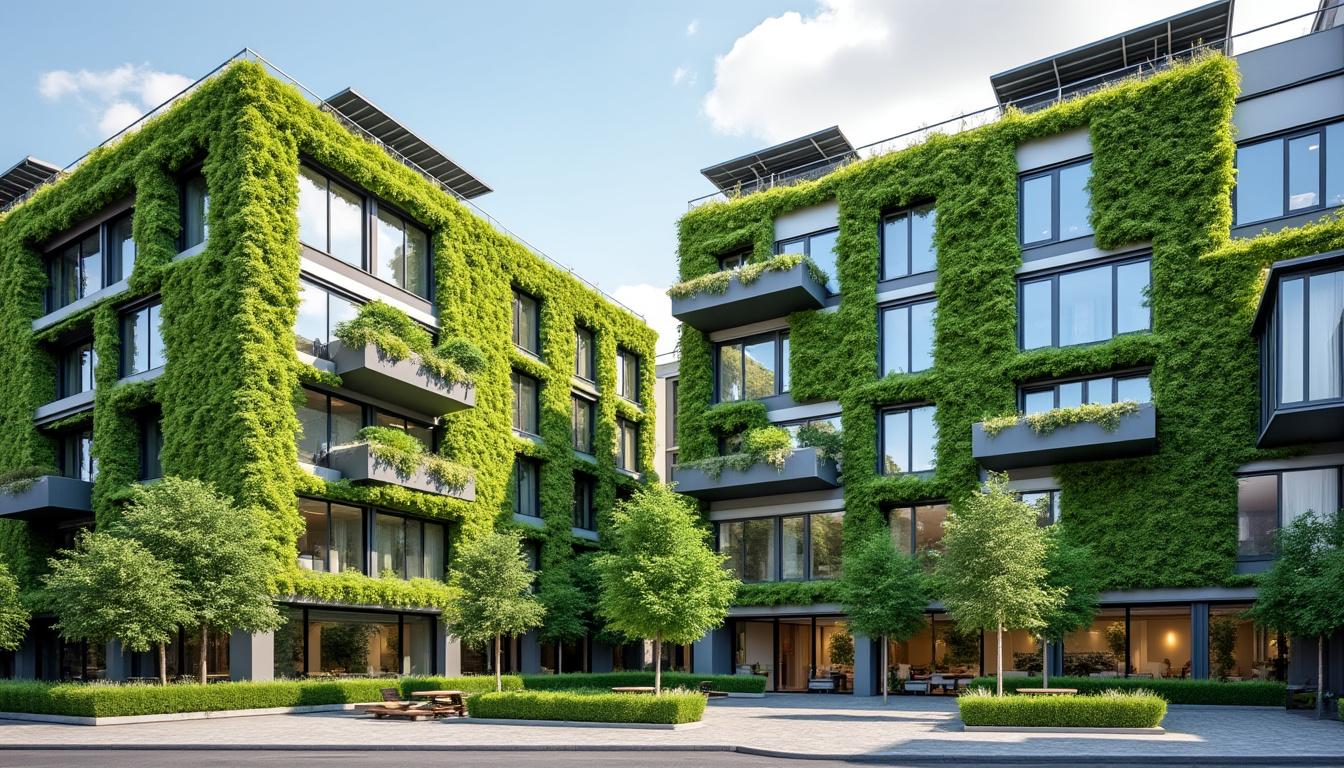
- Supporting residential mobility, through mechanisms that facilitate families’ housing journeys, is also central to strategies aimed at decongesting the most strained neighborhoods. The use of new forms of housing, such as modular, intergenerational, or eco-friendly dwellings, is also being explored to optimize available space.
- https://www.youtube.com/watch?v=DLEIVihkYi0 Discover how the soaring increase in real estate prices is pushing more and more Parisians to seek solutions outside the capital. Analysis of migration trends and their impact on the real estate market.
Innovation and digitalization for better market management - Real estate agencies, such as Laforêt or SeLoger, are increasingly relying on digital tools and online platforms to streamline real estate searches and transactions. Predictive price analysis, 3D virtual tours, and automated client file management improve the buyer experience and reduce delays and additional costs associated with a tight market.
🤖 AI-powered optimization of available listings - 🖥️ Interactive tours for greater transparency 📉 Trend modeling to anticipate developments
These innovations, combined with strengthened regulations, could allow Paris to find a fairer balance between accessibility, quality of life, and urban dynamism. - FAQ – Key questions about Parisian migration in the face of rising prices
❓ Why have real estate prices in Paris increased so much?


Post Comment